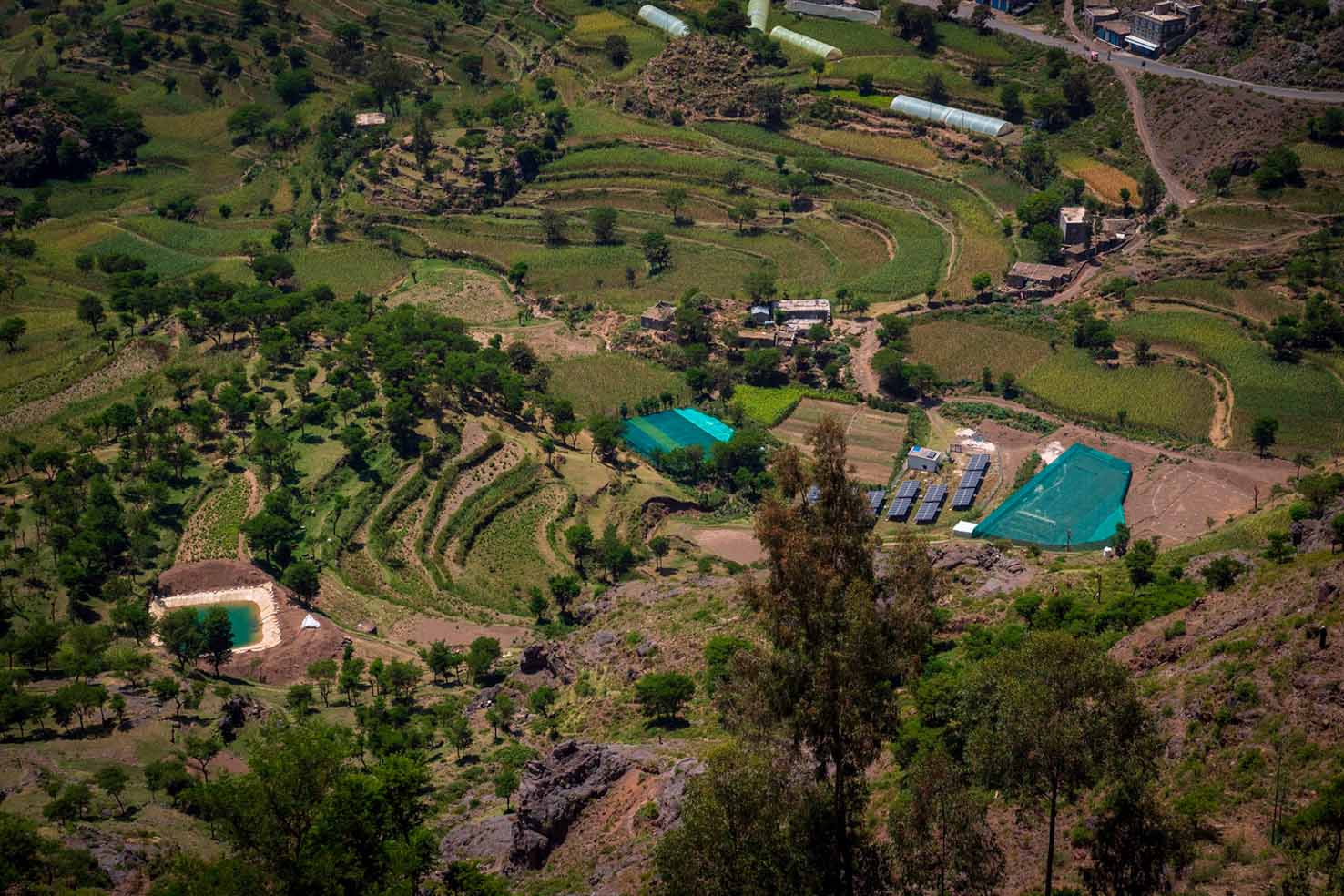
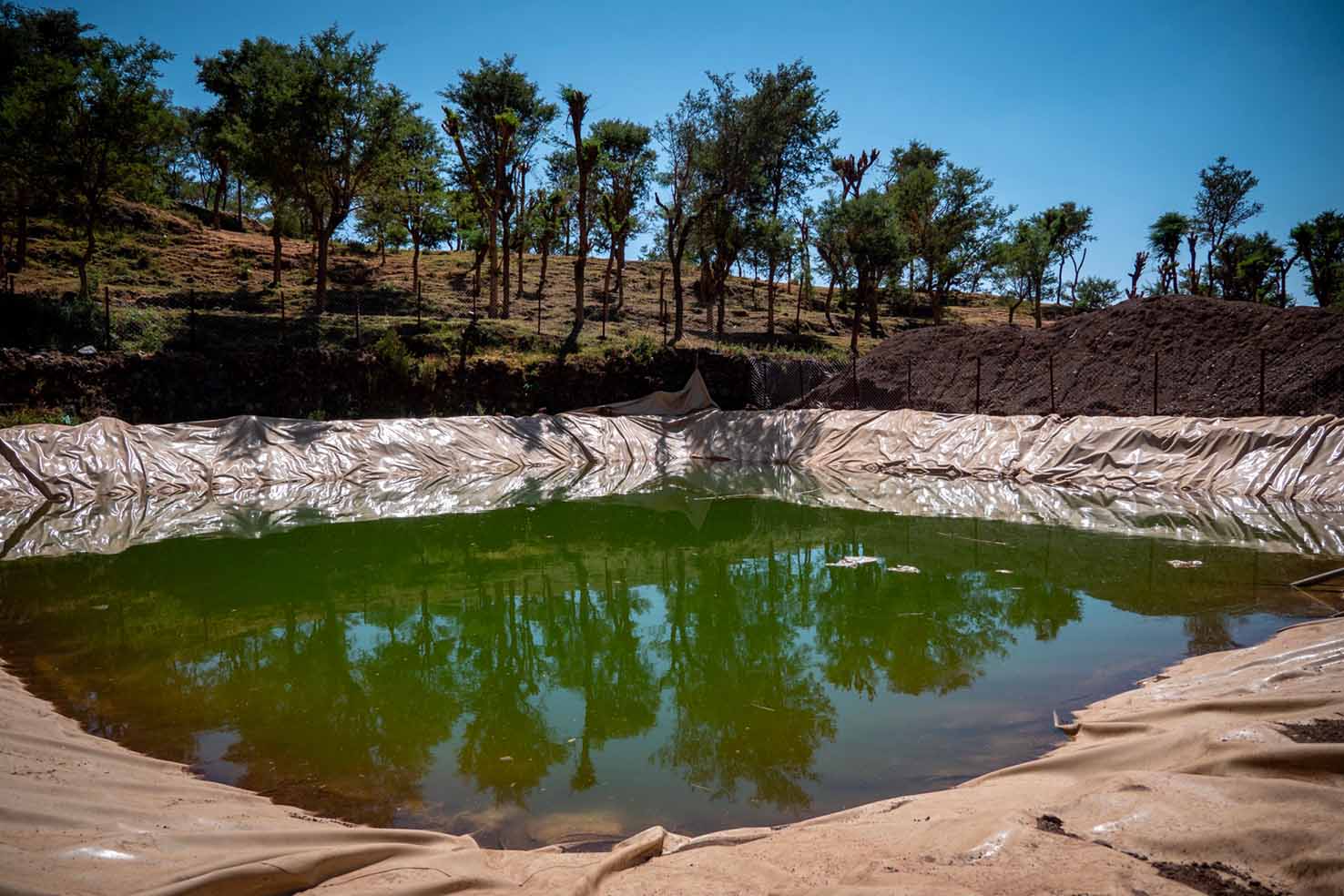
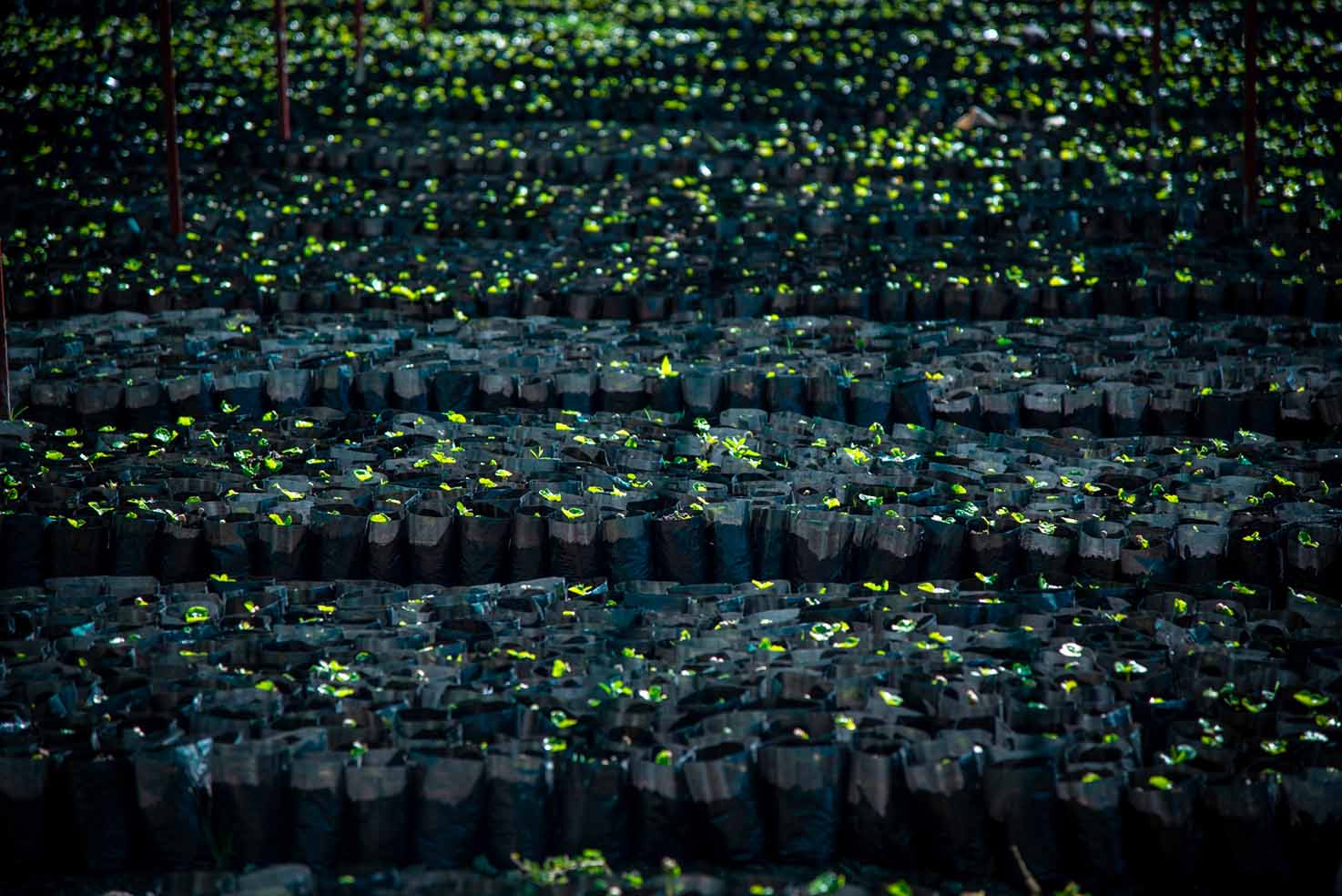
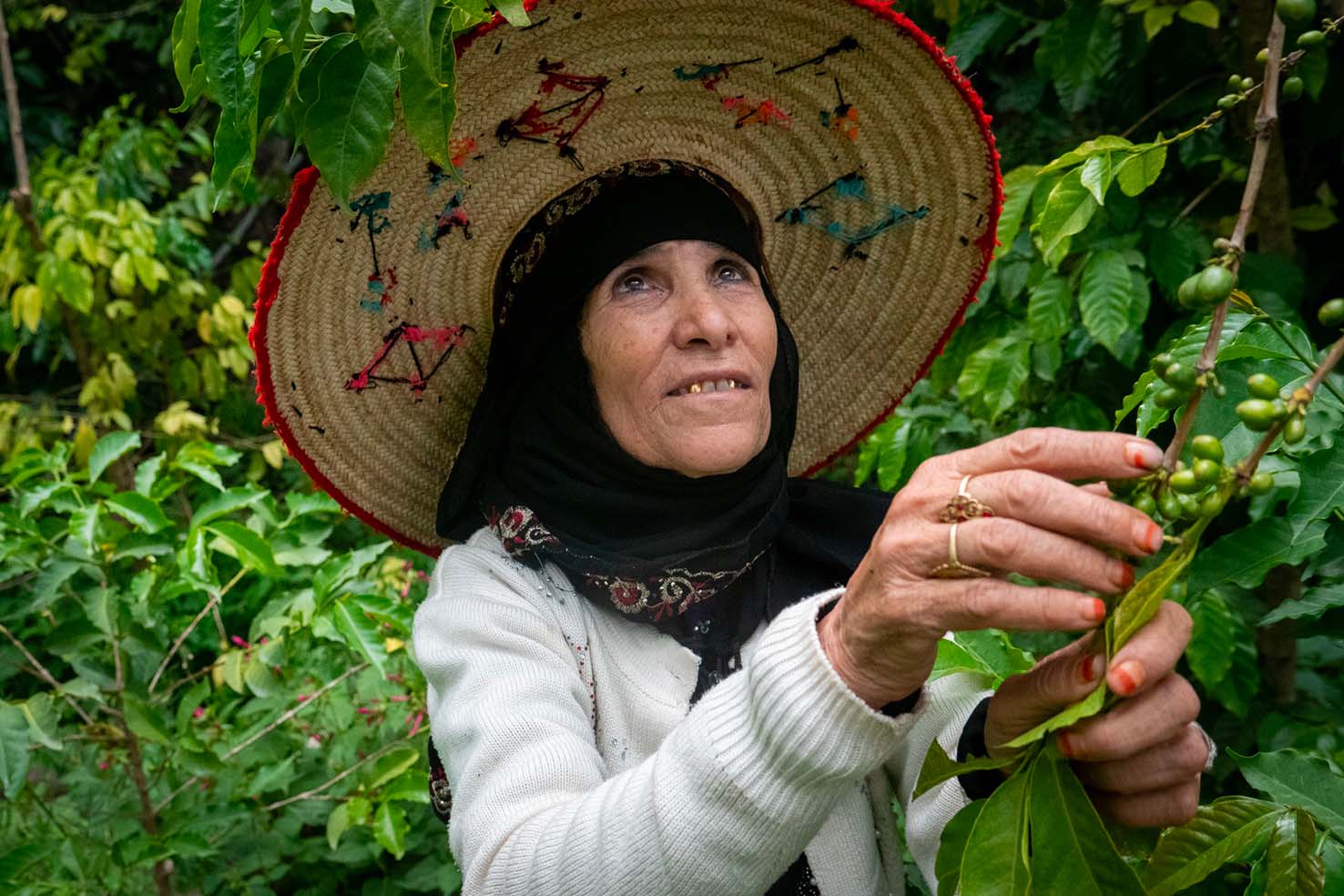
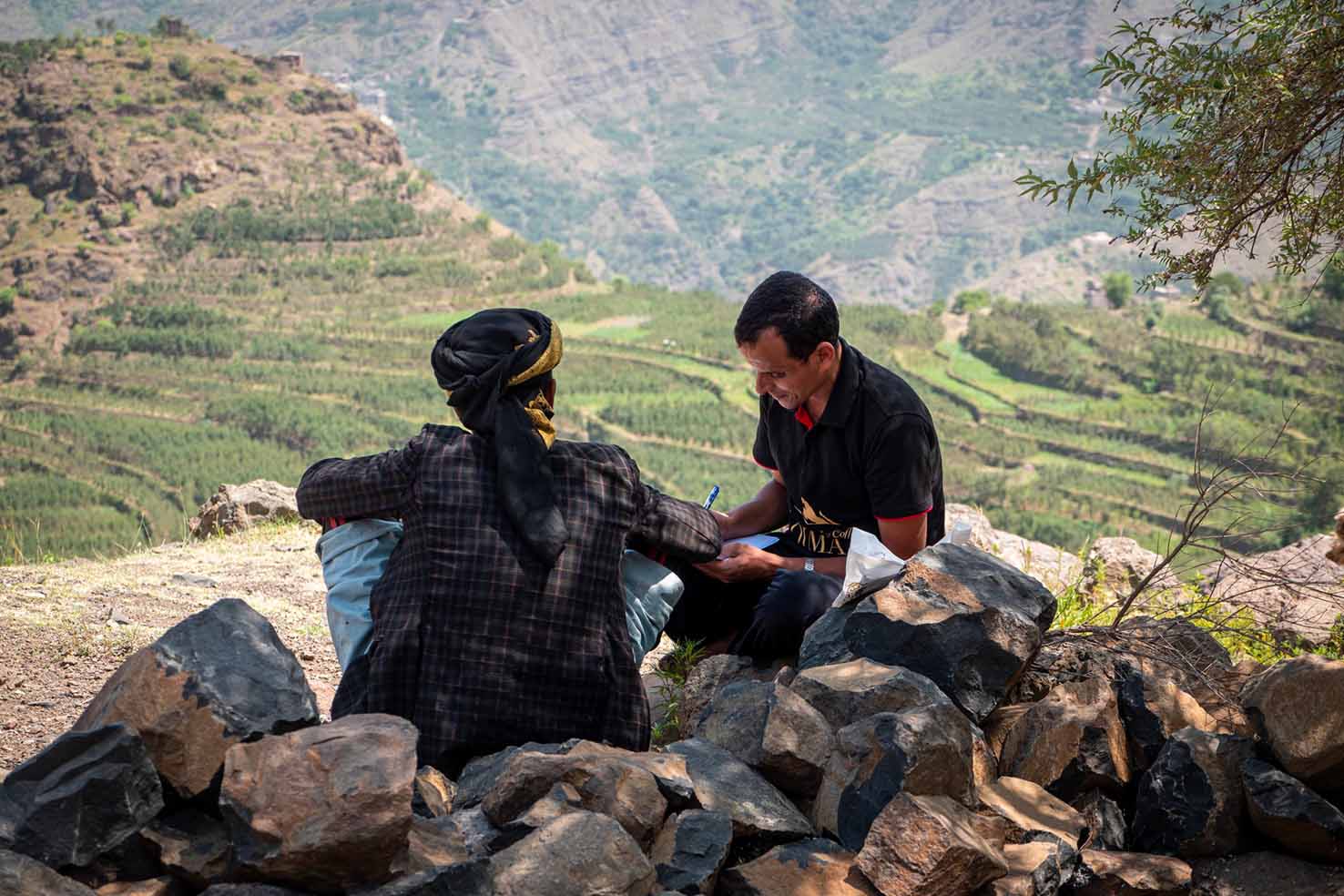
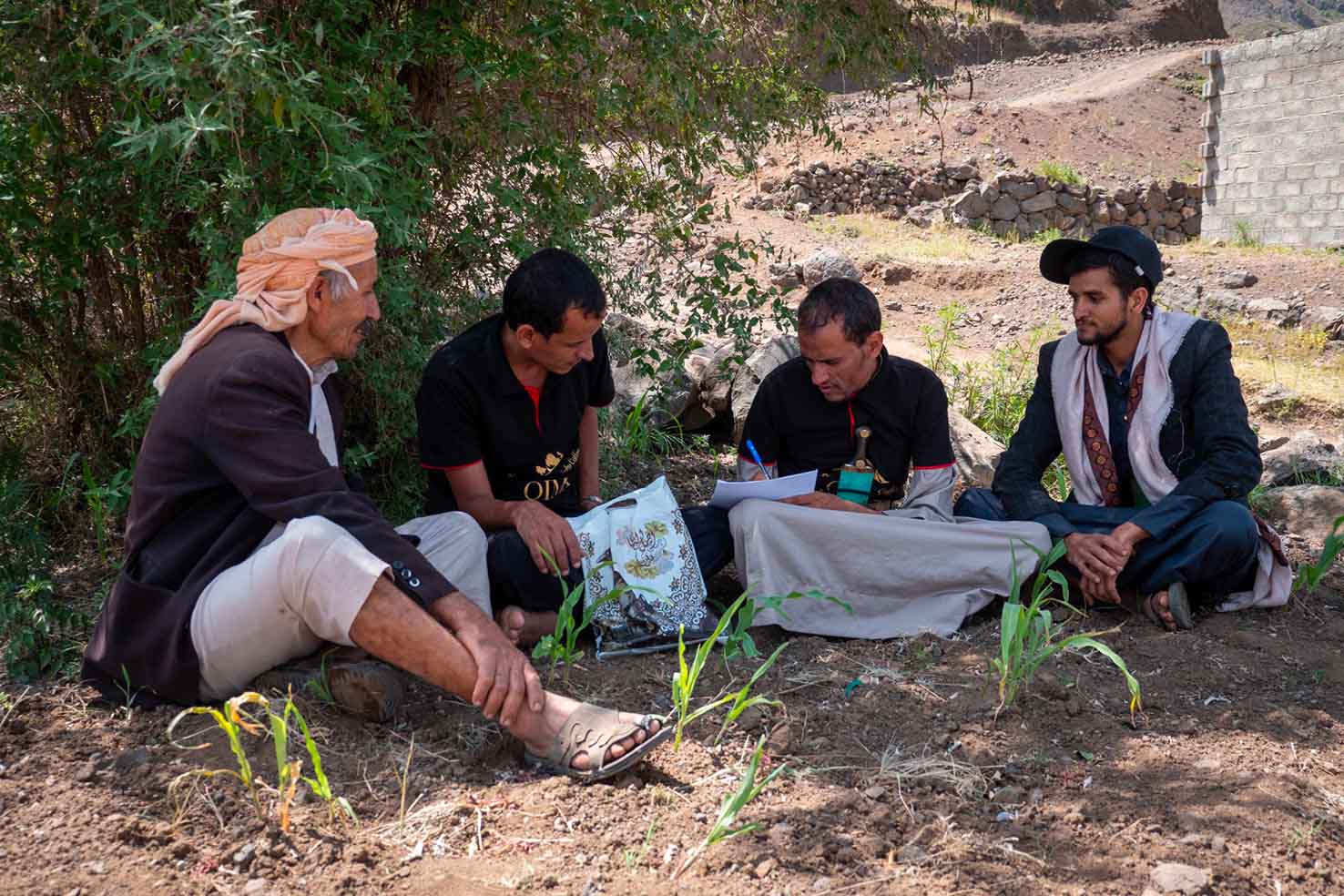
In 2020, the Lavazza Foundation launched its first intervention in Yemen, one of the oldest coffee-producing countries in the world, today affected by a prolonged conflict and a severe humanitarian crisis. In this fragile context, coffee continues to represent a vital source of income for many families, despite significant production, infrastructure, and climate-related challenges. The “Firsts” project introduces several key innovations for the development of the coffee sector in the country: – the first national census of coffee producers; – the establishment of the largest nursery in the country (150,000 plants/year); – the construction of the first water reservoir (900 m³) supporting 214 producers; – the first coffee processing centre (2,500 m²), benefiting 1,500 producers. Through this intervention, the Foundation contributes to strengthening the resilience of the Yemeni coffee value chain and supporting local communities in a highly fragile context.
GEOGRAPHIC AREA
Provinces of Ibb, Dhamar and Raymah
PERIOD
2021-2023
PEOPLE INVOLVED
1.580
AIM
To support the development of a sustainable and resilient agricultural model in Yemen by strengthening the productive capacity of small coffee farmers through improved water resource management, agricultural innovation, and the development of local skills, with a specific focus on women’s inclusion.