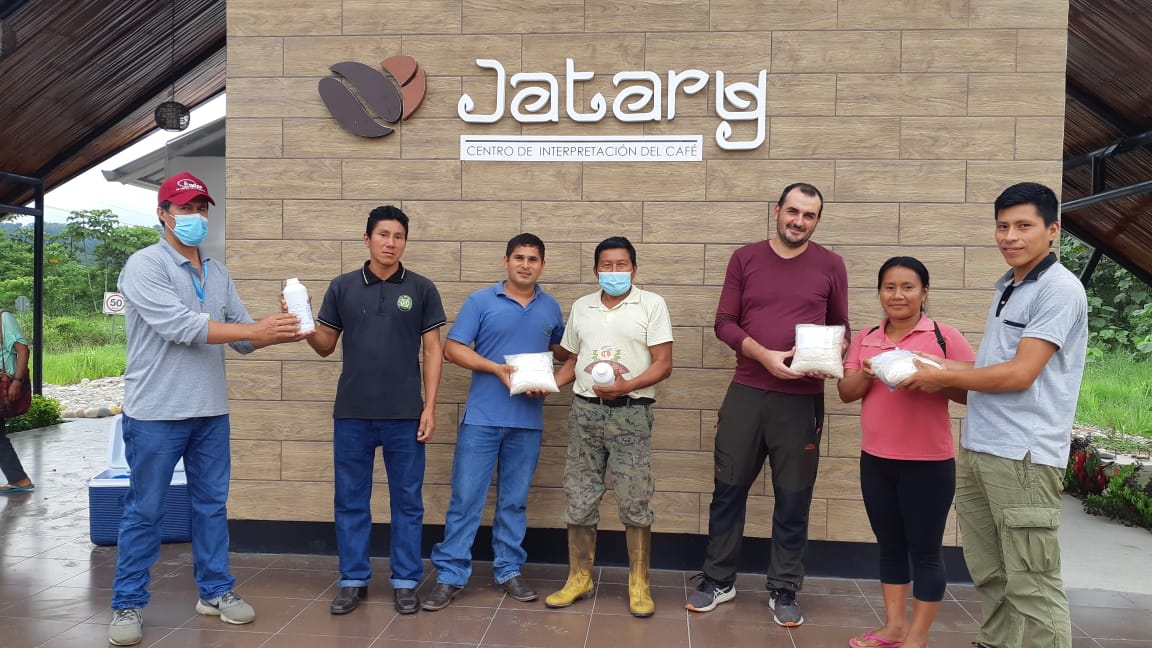
In the Province of Napo, indigenous communities face daily challenges related to environmental sustainability, food security, and access to essential services. In this context, support is provided to the Waylla Kuri and Jatary coffee producer associations, which bring together around 400 members, in a process of strengthening production, organization, and commercial activities aimed at improving the living conditions of local families. For many families, coffee and cocoa cultivation is their only source of income, allowing them to preserve the delicate environmental balance. However, the small size of the crops and the difficulty of accessing markets limit opportunities for socioeconomic development, prompting many young people to leave their communities in search of better living conditions in urban centers.
GEOGRAPHIC AREA
Department of Napo
PERIOD
2022-2024
PEOPLE INVOLVED
1.500
AIM
Promoting a fair and sustainable coffee supply chain by strengthening the skills and rights of agricultural workers, particularly women and young people, and improving the living conditions of local communities.
PARTNERS
Results achieved
Results achieved
420
people involved
9.000
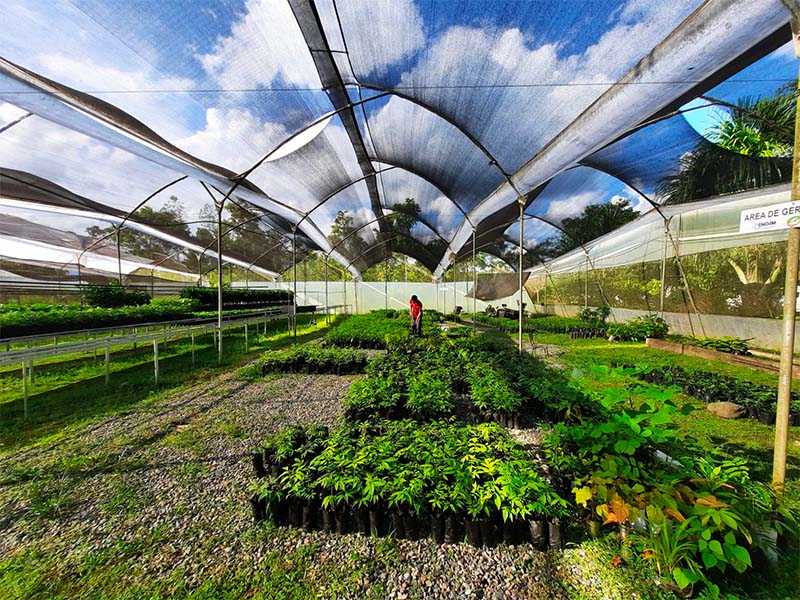
robusta coffee plants distributed
771
people involved
7.700
robusta coffee plants distributed
1
launch of a plantation renewal program promoting biodiversity-based agroforestry models
Training activities on the use of natural fertilizers and phytosanitary control systems for sustainable pest and disease management
101
families gained access to a new potable water system
1.549
hectares of forest protected
4.800
hectares dedicated to coffee plantations
1.500
people involved
48
hectares of coffee plantations renewed
6.000
fruit and timber plants distributed
4
potable water systems installed across 4 farming communities
1.500
people involved
+48%
of coffee plantation hectares planted or renewed
+6.000
forest, and fruit trees distributed
4
communities provided with access to safe drinking water systems
2
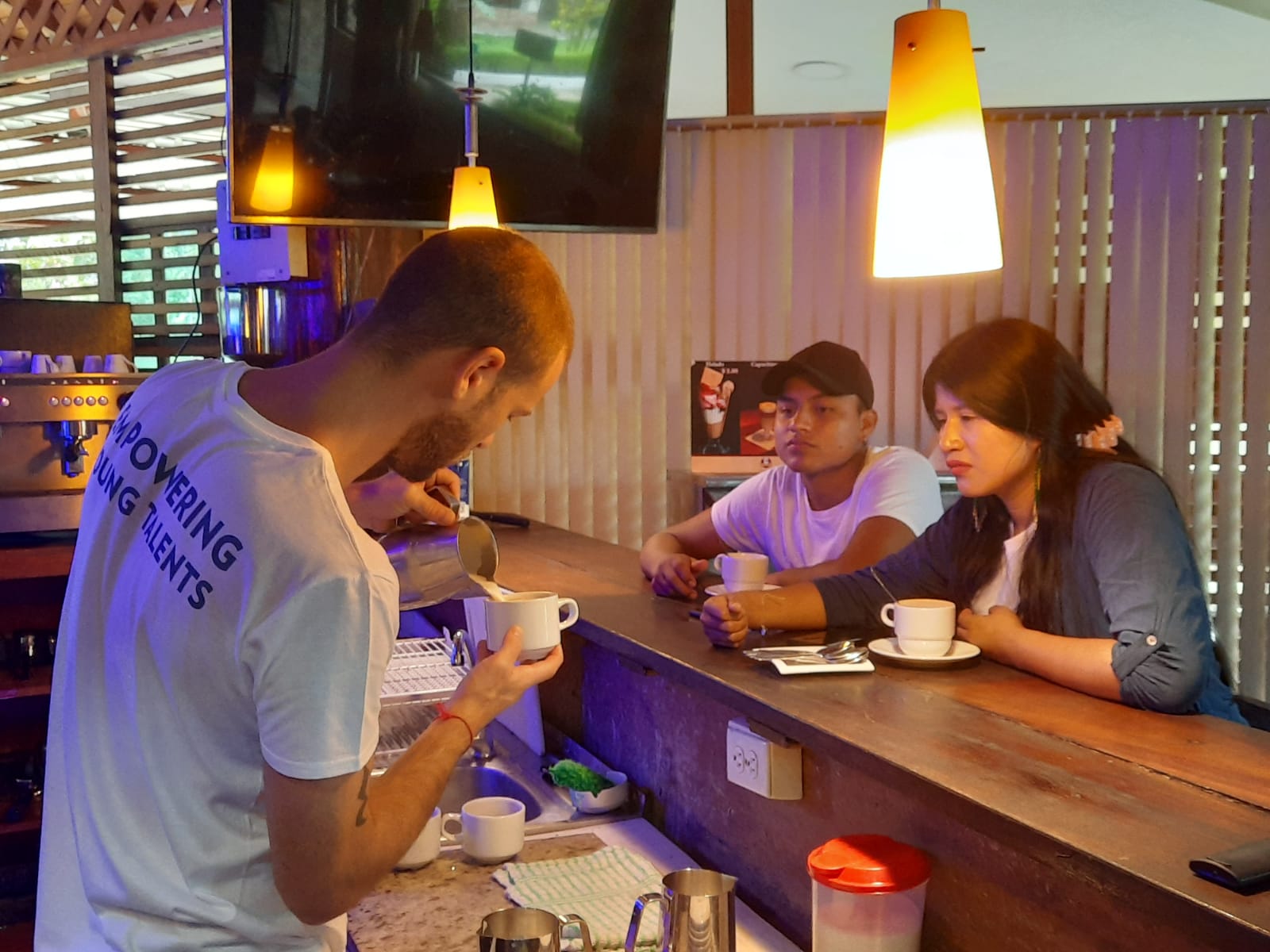
editions of the Environmental Leadership School
1
coffee lab launched
420
people involved
9.000
robusta coffee plants distributed
771
people involved
7.700
robusta coffee plants distributed
1
launch of a plantation renewal program promoting biodiversity-based agroforestry models
Training activities on the use of natural fertilizers and phytosanitary control systems for sustainable pest and disease management
101
families gained access to a new potable water system
1.549
hectares of forest protected
4.800
hectares dedicated to coffee plantations
1.500
people involved
48
hectares of coffee plantations renewed
6.000
fruit and timber plants distributed
4
potable water systems installed across 4 farming communities
1.500
people involved
+48%
of coffee plantation hectares planted or renewed
+6.000
forest, and fruit trees distributed
4
communities provided with access to safe drinking water systems